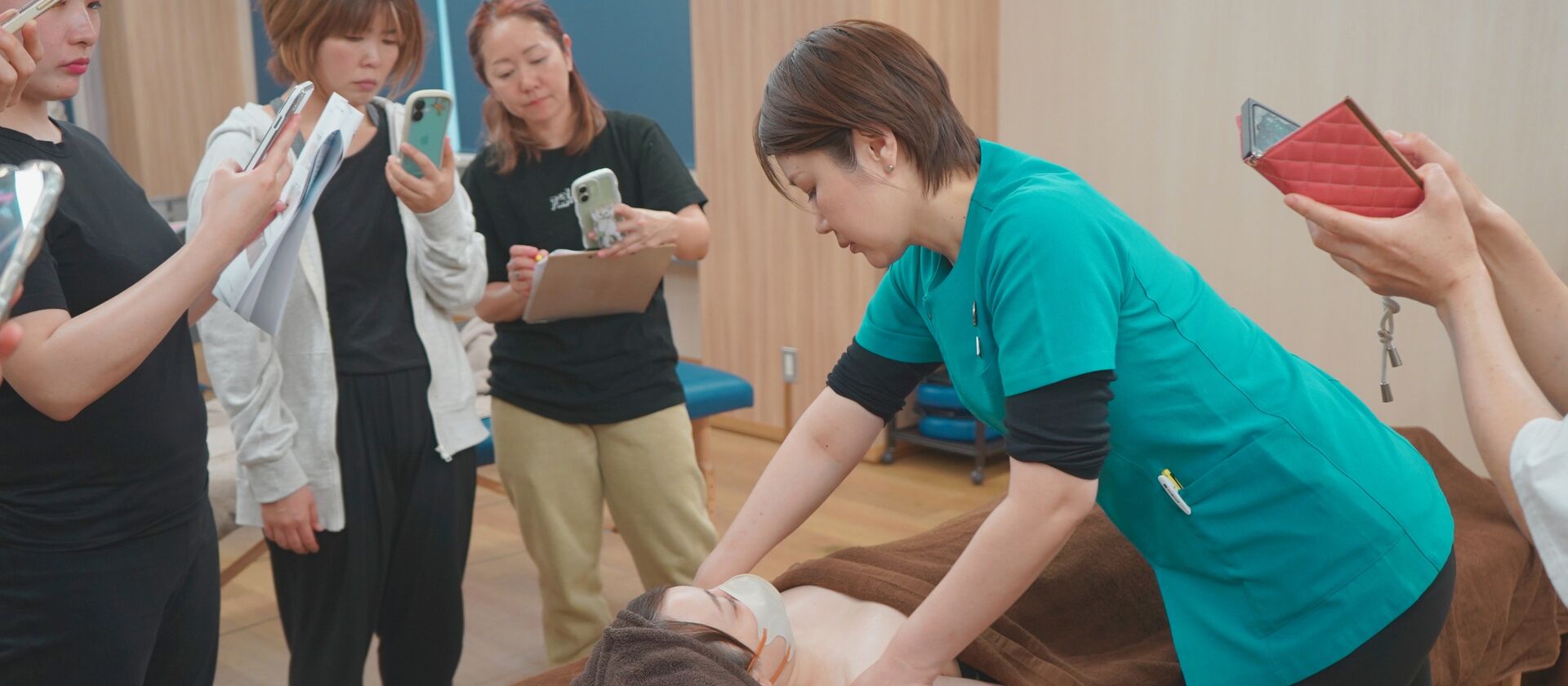
Japanese Forearm & Elbow Deep Flow
Sustainable deep pressure for massage therapists. Two days at the table with an instructor who has spent twenty-six years teaching therapists to deliver deep, satisfying pressure with forearms, elbows and bodyweight — protecting your hands, wrists and career. Full English interpretation throughout.
- 日程Dates
- Feb 26–27, 2027
Friday & Saturday - 時間Hours
- 10:00–17:00
both days - 会場Venue
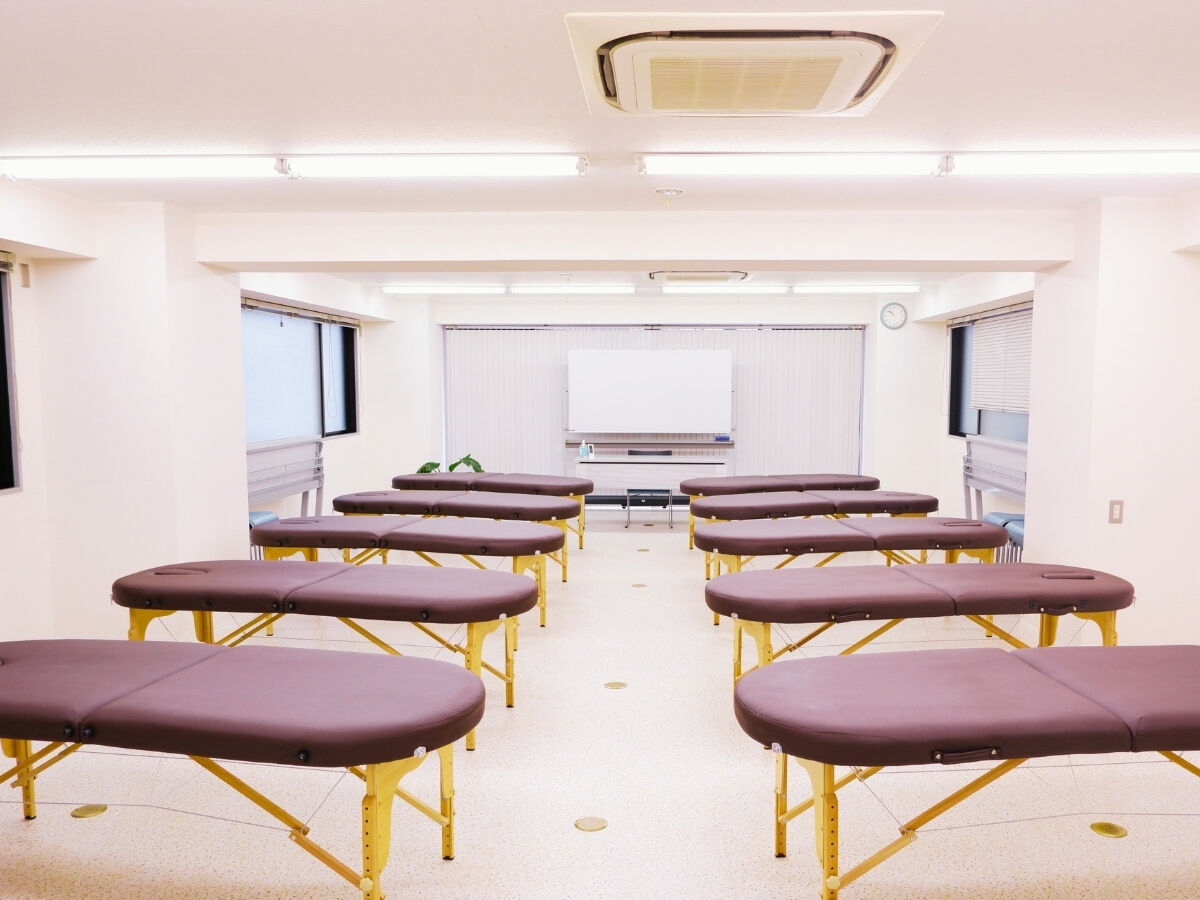
- Magic Hands Academy
Room 2-A, Tokyo - 定員Seats
- 18–20 maximum
partner practice - 言語Language
- Japanese, with full
English interpretation
Your hands are your instrument — and years of deep work wear them down. The next improvement won't come from another video course, or from pushing harder.
This is a working intensive for practicing therapists — not an introduction. Two days, a small room, and an instructor moving between tables correcting your hands. Participants work on each other, so you spend the two days both giving and receiving the technique. Prior oil experience is required; therapists coming from dry or deep-tissue backgrounds are welcome.
Forearm and elbow, used with intent.
The forearm and elbow are the most powerful tools a therapist has, and the easiest to use badly. This course rebuilds how you apply them — angle, weight transfer, and the point at which pressure becomes penetration rather than force.
Six core techniques form the spine of the two days, taught across the upper and lower body, with elements of Japanese-style head treatment layered in on the first afternoon.
- 一Upper body — back and shoulders
- 二Lower body sequence
- 三Japanese-style head treatment elements
- 四Full-body integration and flow
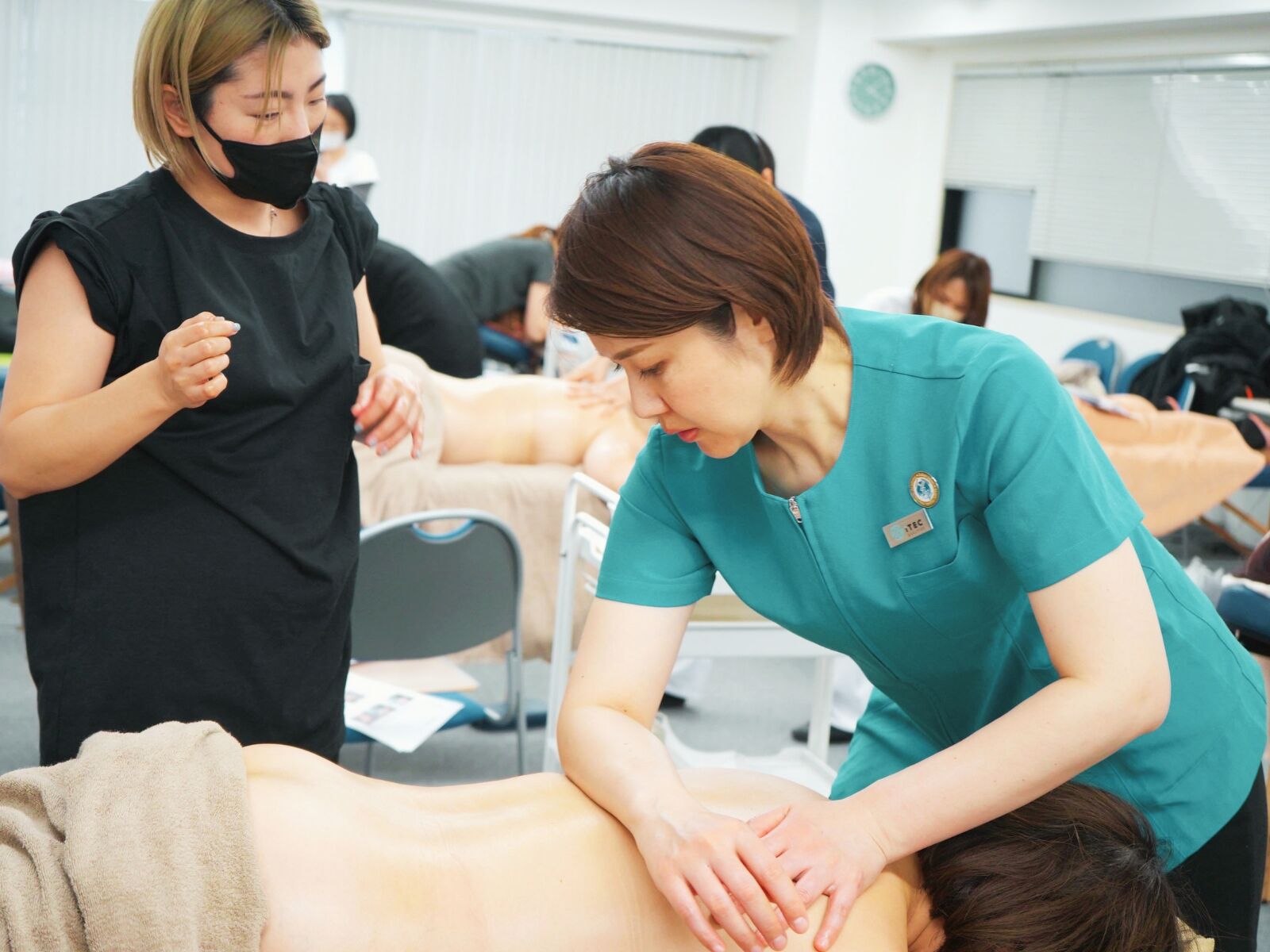
Structured for depth rather than coverage.
Schedule provisional — final timings confirmed before registration opens.
Instructor experience.
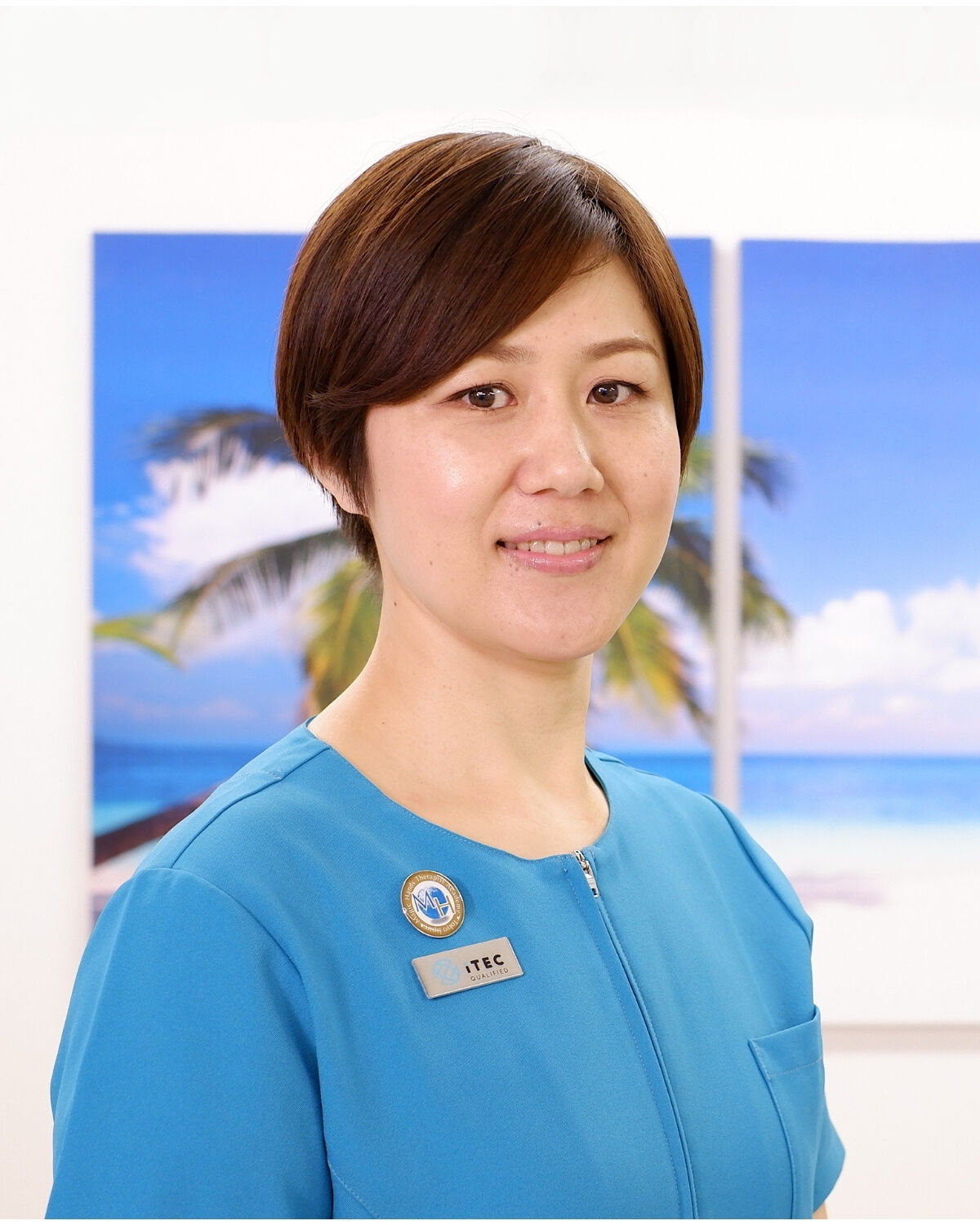
Mio Sekino
WATEC Certified Remedial Therapist
Mio Sekino teaches anatomy, physiology and hands-on technique at Magic Hands Therapist Academy in Tokyo, where she has trained generations of Japanese therapists over a twenty-six year career.
Her qualifications are internationally recognised — ITEC and CIBTAC, alongside certification as a WATEC remedial therapist — but what students remember is the correction: precise, anatomical, and entirely uninterested in letting a technique pass at eighty percent.
What your place includes.
含まれるものIncluded
- ○ Two full days of hands-on instruction, 10:00–17:00
- ○ Course materials
- ○ Full English interpretation — lecture, hands-on and Q&A
- ○ Certificate of completion
別途ご手配Arranged separately
- — Flights and accommodation
- — Meals outside scheduled breaks
- — Optional welcome dinner
- — Optional sightseeing day
A few hours beyond the table.
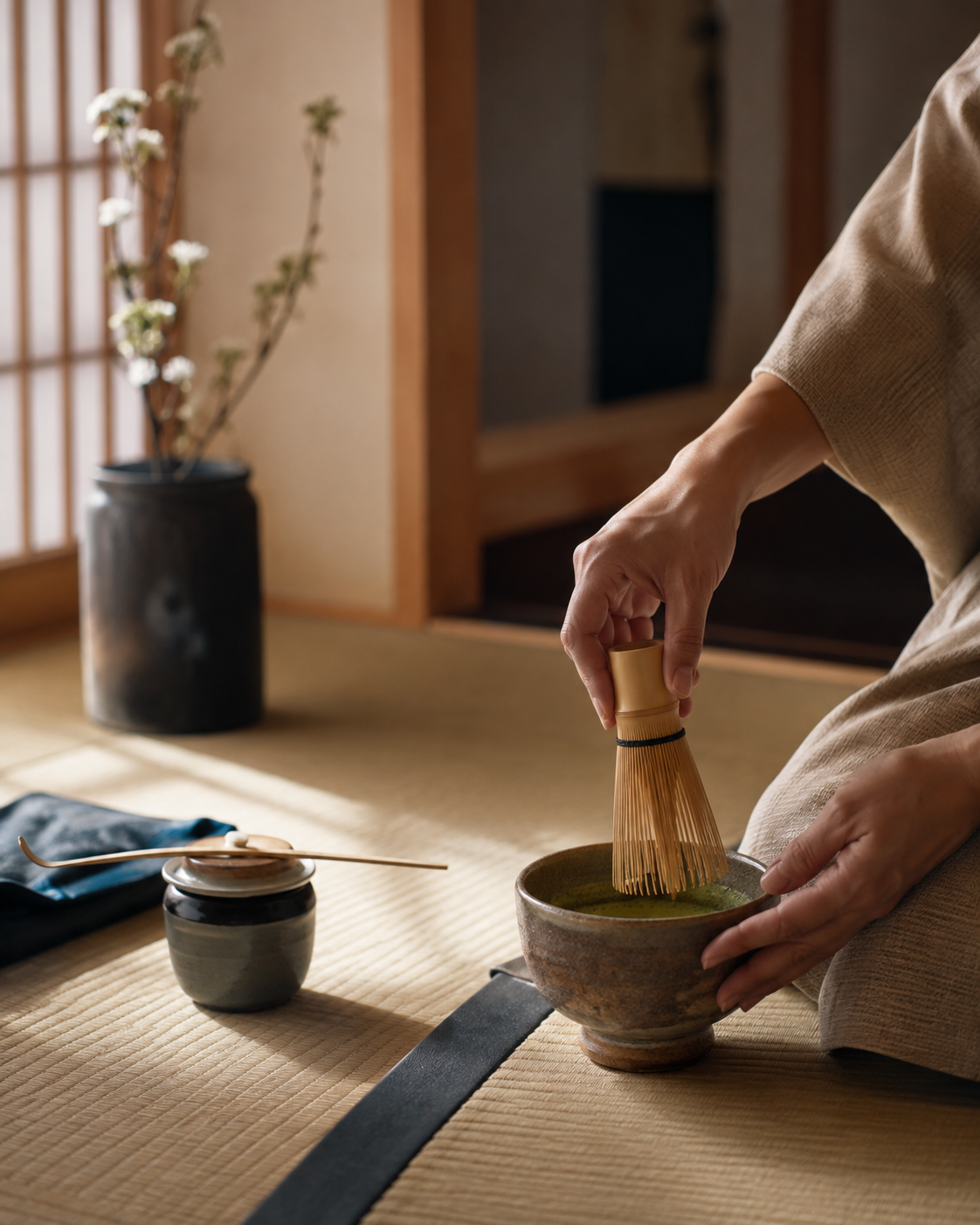
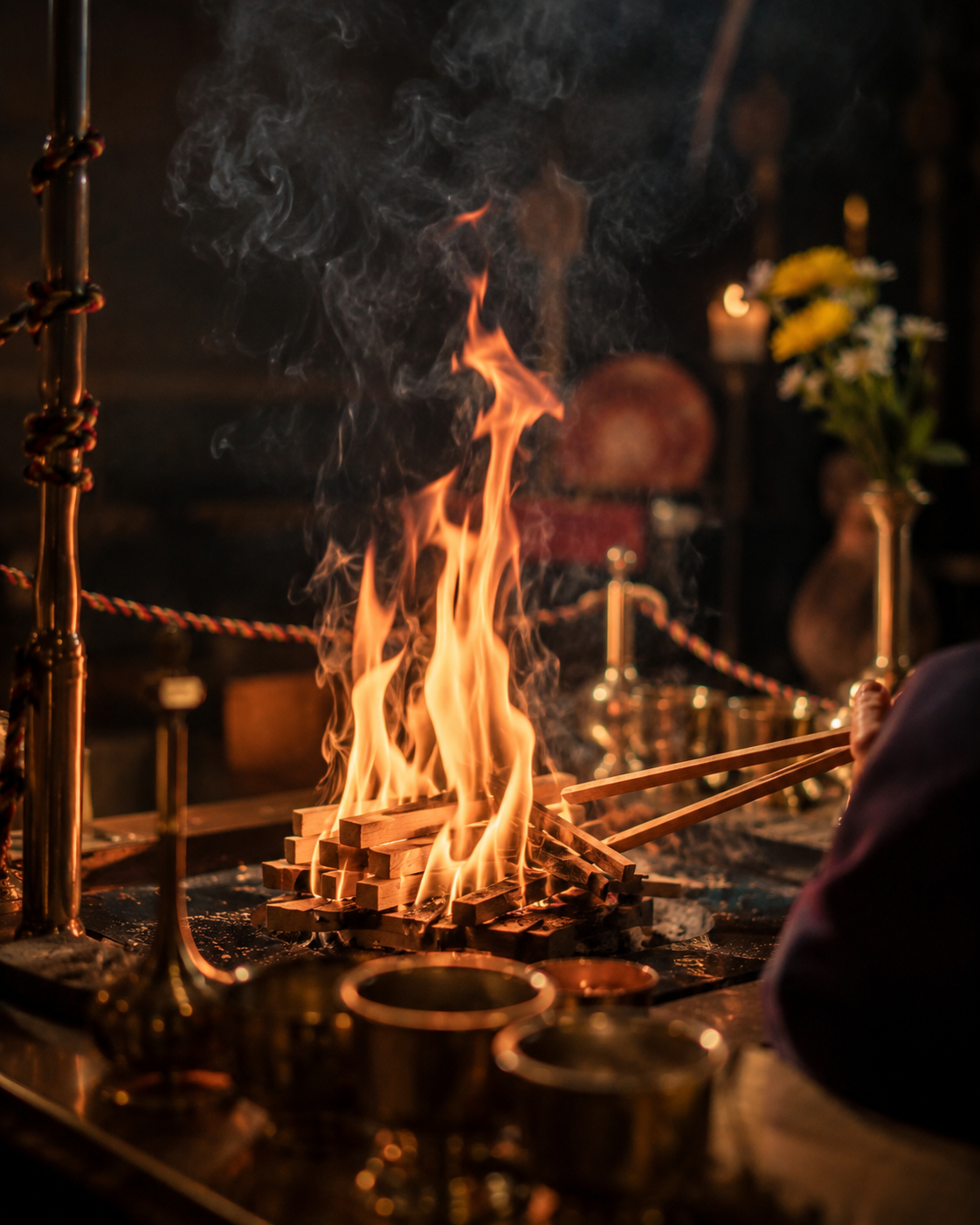
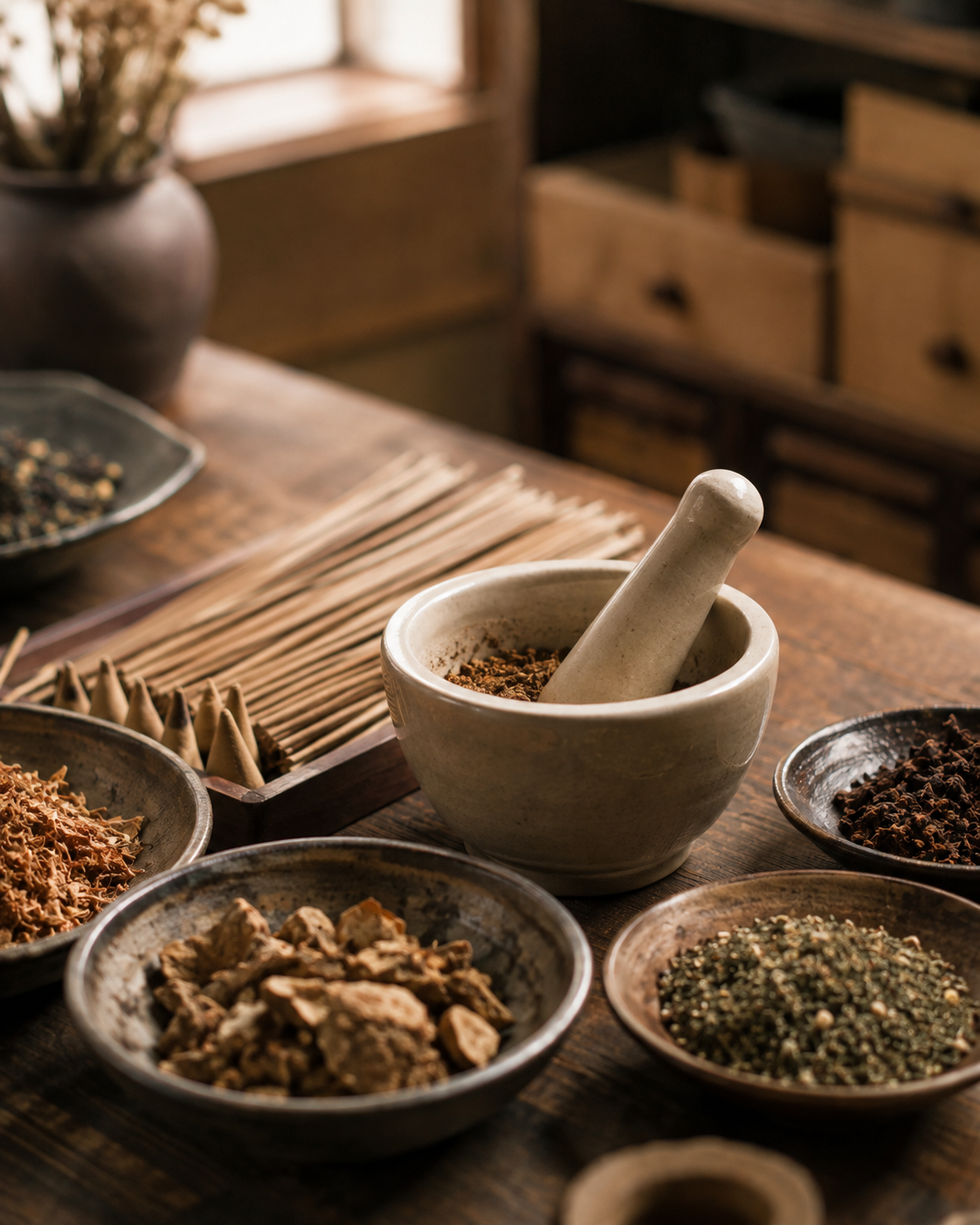
The technique is why you book the course. These are why the trip is worth it: a tea ceremony held at the venue itself, and a visit to Naritasan Fukagawa Fudōdō for a goma fire ritual on a separate day — both included. An incense-making workshop in Asakusa is available as an independent option.
Two rates. One deadline that matters.
Card payment processed securely through PayPal. No PayPal account required.
Cancellations within one month of the course start date are non-refundable. Please book travel accordingly.
The course runs with a minimum of four participants. You'll be notified well ahead of any travel commitment.
Tokyo, and the days around it.
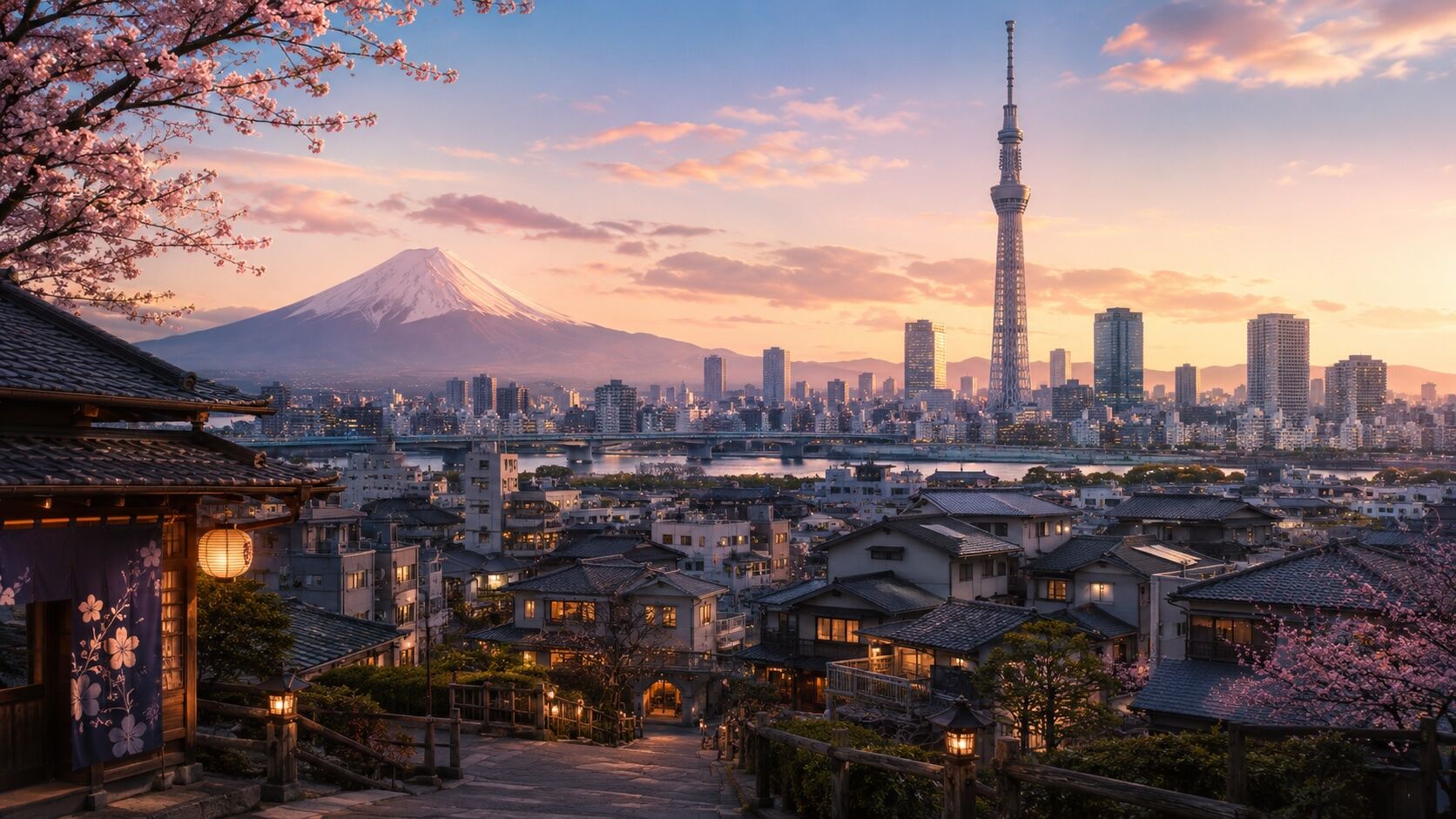
The venue sits near Kinshichō Station on Tokyo's east side — twenty minutes from the centre, well served by both airports, and a quieter place to stay than the tourist districts.

Testimonial from a previous participant to be placed here.Name · City — to be confirmed
Before you book flights.
Is the course taught in English?
What experience do I need?
Do I need a visa?
Who do I work on during the course?
What happens if the course doesn't fill?
Is accommodation included?
Do I receive a certificate?
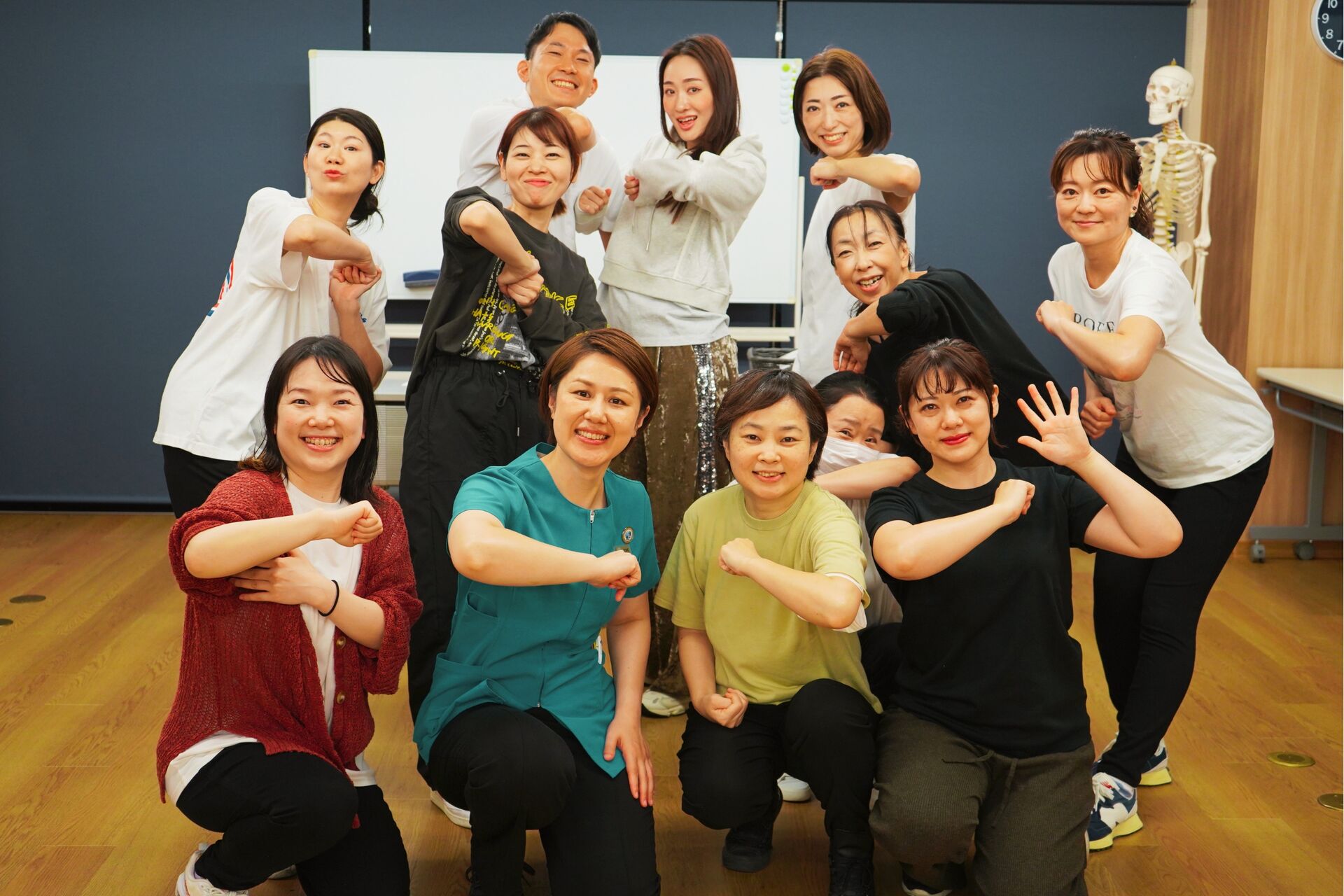
Come and learn it where it's taught.
Early bird pricing holds until November 30, 2026. Registration closes January 31, 2027.

